

What Is the Best Non Toxic Cleaner for Carpets?
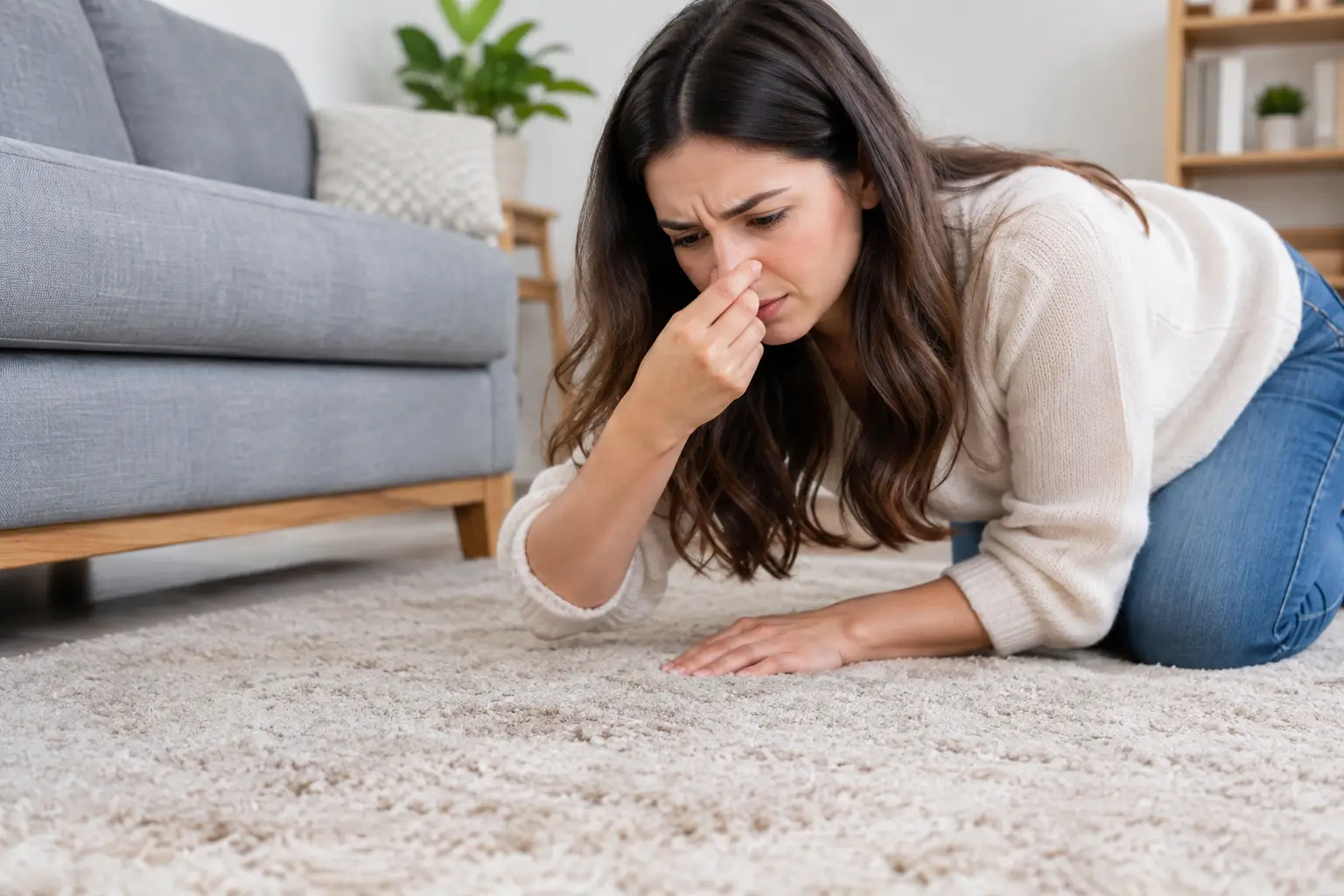
A carpet can look clean while still holding tracked-in soil, pet residue, dust, and the remains of an old spill deep in its fibers. That is why people often ask, what is the best non toxic cleaner for carpets? The honest answer is not one bottle or one ingredient. The best choice is a cleaner that is safe for the people and pets in your home, suitable for your carpet, and strong enough to remove the soil you actually have.
For many households, that means looking beyond a strong fragrance or a label that simply says “green.” A good non-toxic cleaning approach should leave your carpet fresh and comfortable to use without harsh residues, overpowering odors, or unnecessary chemicals.
What Is the Best Non Toxic Cleaner for Your Home?
The best non-toxic cleaner is one with clear ingredients, a purpose that matches the stain or soil, and directions that can be followed safely. For routine carpet maintenance, a mild, low-residue cleaning solution is usually the better option. It should lift dirt from the fibers and rinse away cleanly rather than leaving behind soap that attracts more dirt.
For homes with young children or pets, look for products described as pet-safe and family-safe when used as directed. That wording matters. Even gentle products should be stored properly, kept out of reach, and used according to their instructions. “Non-toxic” does not mean a product is safe to drink, safe for every surface, or safe to mix with other cleaners.
A cleaner is also only as good as its fit for the job. A small fresh coffee spot calls for a different approach than a whole room affected by muddy paws, pet accidents, or years of embedded soil. Using too much of any product can create a residue problem, while using the wrong product can set a stain or affect carpet color.
Read Labels for More Than Marketing Claims
A simple label is often easier to trust than a vague one. Look for a product that explains what it is designed to clean and how it should be used on carpet. If ingredient information, usage directions, or safety guidance are difficult to find, consider another option.
Fragrance is worth considering, too. A strong perfume can cover odors temporarily, but it does not remove the source of the smell. Some people and pets are also sensitive to heavily scented products. A lightly scented or fragrance-free cleaner may be a better fit for bedrooms, nurseries, and homes where allergies or sensitivities are a concern.
Be careful with broad claims such as “natural” or “eco-friendly.” These terms can be helpful, but they do not automatically tell you how a product performs or whether it is right for every carpet. A cleaner can be plant-based and still require careful handling. The most useful information is specific: what surfaces it is intended for, whether it needs rinsing, whether it is safe around pets after drying, and how to treat accidental contact.
The Right Cleaner Depends on the Type of Mess
Carpet stains are not all the same. Treating them as if they are can make cleaning harder.
A water-based spill, such as juice, coffee, or a muddy footprint, often responds well to prompt blotting and a mild carpet-safe cleaner. Start at the outside edge of the spot and work inward so it does not spread. Blot with a clean white cloth instead of scrubbing. Scrubbing can damage fibers and push the stain deeper.
Greasy food marks and oily residue are different. They may need a carpet-safe product formulated to break down oils. Using plain water alone can leave a dull ring or spread the grease across a larger area.
Pet accidents need more than a pleasant-smelling cleaner. Urine odors can remain below the carpet surface and may draw a pet back to the same spot. An enzyme-based cleaner can be useful because it is made to address the organic material causing the odor. Still, it must be used correctly and given enough contact time to work.
For ink, paint, makeup, or unknown stains, avoid experimenting with several products. Mixing cleaners may create fumes, damage the carpet, or leave a stubborn residue. Test any cleaner in a hidden area first, especially on wool, silk, specialty rugs, or darker carpet colors.
Why Homemade Solutions Have Limits
Many homeowners reach for baking soda, vinegar, dish soap, or hot water. These household staples can be useful in limited situations, but they are not automatically the best non-toxic carpet-cleaning solution.
Baking soda may help absorb a mild odor when it is vacuumed thoroughly afterward. Vinegar can help with some light stains, but its acidity may not suit every carpet fiber, backing, or manufacturer recommendation. Dish soap can lift certain spots, but too much can be difficult to remove and may leave a residue that attracts dirt.
Hot water can also cause problems with some stains. Heat may set protein-based stains, including blood, milk, or pet-related messes. When in doubt, begin with cool or lukewarm water and blot carefully.
Homemade cleaning is best for small, fresh spots when you know what caused them. It is less reliable for odor problems, large stains, or carpets that have not had a deep cleaning in a long time.
A Safe Cleaning Process Matters as Much as the Product
A gentle product can still give disappointing results if the process is rushed. Start by vacuuming well. Dry soil is easier to remove before moisture is added, and vacuuming helps prevent dirt from turning into mud during spot cleaning.
Next, test the cleaner in an inconspicuous location. Apply a small amount, wait for it to dry, and check for color change or texture issues. Then use only the amount recommended on the label. More cleaner does not usually mean a cleaner carpet.
After treating the spot, remove as much moisture as possible with clean towels. Good airflow helps the carpet dry faster and reduces the chance of musty odors. Keep children and pets off the area until it is fully dry, particularly after a larger cleaning job.
For a room-wide clean, residue removal is especially important. A professional process that uses appropriate equipment, controlled moisture, and eco-friendly products can reach the soil below the surface without soaking the carpet unnecessarily.
When Professional Carpet Cleaning Is the Better Choice
Store-bought cleaners are useful for quick attention between appointments. They are not always enough for deep soil, recurring pet odor, traffic lanes, or stains that return after drying. Those problems can indicate residue or contamination deeper in the carpet and padding.
Professional carpet cleaning is also a practical choice before moving into a new home, after a busy season with pets and guests, or when carpets have lost their original appearance. Ask the company what products they use, whether they are safe for people and pets, and how long the carpet will need to dry. Clear answers are a good sign that you are dealing with a careful, accountable provider.
At Riccardos Carpet Cleaning, non-toxic, eco-friendly products are part of a service designed for homes where clean carpets and peace of mind both matter. Trained technicians can assess the carpet condition, treat the right concerns, and help avoid the trial-and-error costs of using the wrong product.
Choose Safe, Effective, and Realistic Cleaning
The best non-toxic cleaner is not necessarily the one with the loudest promise or the strongest scent. It is the one that fits your carpet, addresses the specific mess, and leaves as little residue behind as possible. For everyday spots, work quickly, blot gently, and use a carpet-safe product sparingly. For deeper cleaning needs, choose help that can restore your carpet without compromising the comfort of your home.
A clean carpet should feel like part of a healthier, more welcoming space for the people and pets who live there.


Comments